E-scooter sharing has transformed urban transportation, offering an eco-friendly, convenient way to navigate busy city streets. With more users gravitating toward these options, businesses are increasingly interested in developing e-scooter sharing apps. This guide will help you understand the basics of e-scooter sharing apps, the associated development costs, estimated timelines, and essential technologies needed to create a successful app in 2024.
What is an E-Scooter Sharing App?
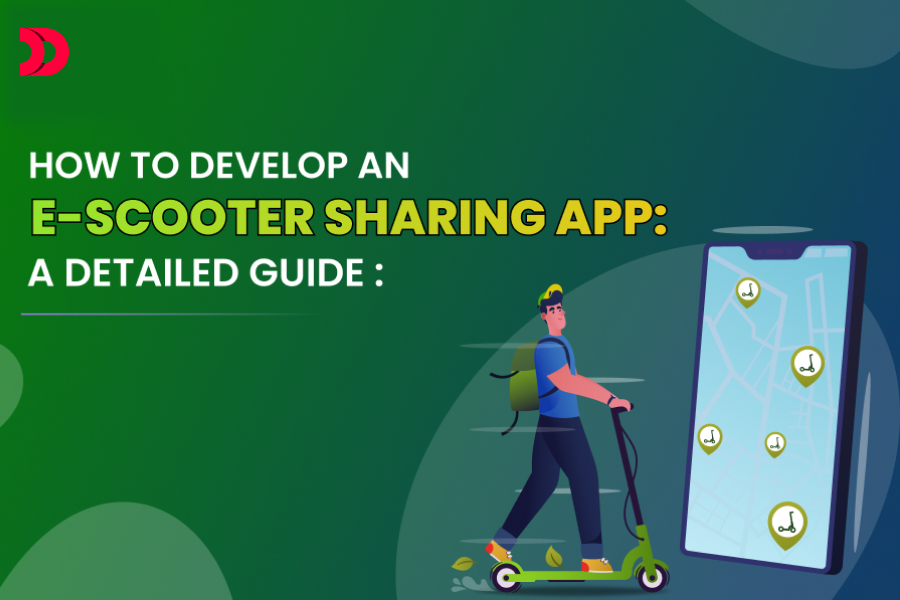
An e-scooter sharing app connects users with available e-scooters, allowing them to unlock, ride, and pay for scooters directly through their smartphones. The process is straightforward: users download the app, find a nearby scooter, unlock it via a QR code, and begin their journey. This system offers cities a way to reduce traffic congestion and pollution while giving users a fast, accessible travel option.
Key features commonly found in e-scooter sharing apps include:
User Authentication: Simple login and registration using email, social media, or phone numbers.
Geolocation and Maps: Real-time scooter location tracking on a map to show nearby scooters.
QR Code Scanner: Unlock scooters with a quick scan for ease of use.
Payment Integration: Secure payment gateways for hassle-free transactions.
Ride History: Users can view past rides and payments.
Notifications: Alerts for nearby scooters, ride status, and promotions.
How Much Does It Cost to Create an E-Scooter Sharing App?
The cost of developing an e-scooter sharing app can vary based on several factors, including the app’s complexity, the development team’s location, and the features included. Here’s a rough breakdown of the factors influencing e-scooter app development costs:
- App Design and User Interface: A user-friendly design is essential, and costs depend on complexity.
- Backend Development: Managing user data, scooter availability, payment processing, and geolocation tracking.
- Third-Party Integrations: Integrating features like maps, GPS, and payment gateways.
- Testing and Maintenance: Ensuring a bug-free experience and consistent maintenance post-launch.
An app with basic features may cost between $30,000 and $50,000, while a more feature-rich app with advanced functionality can range from $60,000 to $150,000. Collaborating with an experienced e-scooter app development company can help optimize costs and streamline development.
How Long Does it Take to Create an E-Scooter Sharing App?
The timeline for developing an e-scooter app depends on the app’s features and the experience of the development team. On average, a basic app can take around 3-6 months to develop, including:
- Planning and Research: Understanding market needs, target audience, and competitor analysis (2-4 weeks).
- Design and Prototyping: Creating a seamless user interface and experience (4-6 weeks).
- Development: Building the app’s frontend and backend (8-12 weeks).
- Testing and Quality Assurance: Rigorous testing for bugs and security (2-4 weeks).
- Deployment and Launch: Final adjustments and app store approvals (1-2 weeks).
For a complex app with multiple integrations and advanced functionalities, the development process might extend to 9 months or more.
Which Technologies Are Used to Create an E-Scooter Sharing App?
Choosing the right tech stack is critical to ensure smooth performance and scalability. Here are some of the key technologies commonly used for e-scooter sharing apps:
- Frontend Development: Frameworks like React Native, Flutter, or Swift (for iOS) and Kotlin (for Android) are popular for building user-friendly mobile interfaces.
- Backend Development: For handling data and operations, Node.js or Django are often used for their scalability and performance.
- Database Management: MySQL, PostgreSQL, or MongoDB are effective databases for managing user and ride data.
- Geolocation Services: Integrations like Google Maps API or Map box help provide real-time location services for finding scooters.
- Payment Gateways: Options like Stripe, PayPal, and Braintree support secure, seamless payment processing.
- IoT Integration: Bluetooth and IoT technology allow scooters to be locked/unlocked remotely.
Hiring an experienced team of developers or partnering with a reliable mobile app development company ensures the right technologies and methodologies are used for optimal performance.
Steps to Develop Your E-Scooter Sharing App
- Market Research and Idea Validation: Begin by analyzing the market and understanding user needs. Identifying features that users value, such as reliability and ease of use, will help position your app for success.
- Design and Prototyping: Develop a prototype that reflects the user interface and experience. Ensure the app design is intuitive and meets users’ expectations.
- Development and Testing: This stage involves building the app’s core functionalities and performing extensive testing to catch and resolve bugs.
- Launch and Post-Launch Support: After launching, provide consistent updates, troubleshoot issues, and collect user feedback to make improvements.
Key Takeaways
Creating an e-scooter sharing app in 2024 requires careful planning, a clear understanding of development costs, and the use of robust technologies. By collaborating with a reliable e-scooter app development company and possibly choosing to hire dedicated developers, you can ensure your app is user-friendly, cost-effective, and scalable. As more cities embrace sustainable transit, your e-scooter app has the potential to become a valuable part of the urban mobility landscape.
The journey from concept to app launch may seem complex, but with the right team and strategy, you can create an app that meets modern transportation needs and achieves success in the growing